
Kigali Genocide Memorial: A Place of Remembrance, Learning and Hope
A visit to the Kigali Genocide Memorial is one of the most meaningful experiences for anyone travelling to Rwanda. Located in Gisozi, Kigali, the Memorial offers visitors an opportunity to understand the country’s history, honour the victims of the 1994 Genocide against the Tutsi and learn about Rwanda’s continuing journey of reconciliation, unity and peace.
The Kigali Genocide Memorial is more than a museum or tourist attraction. It is a sacred place of remembrance and the final resting place of approximately 250,000 victims. Visitors are therefore encouraged to approach the experience with patience, compassion and respect.
For international travellers, understanding this difficult history provides important context for appreciating the remarkable transformation, resilience and peaceful character of modern Rwanda.
Why Visit the Kigali Genocide Memorial?
Travelling is not only about seeing beautiful landscapes and famous attractions. It is also about understanding the history, experiences and identity of the people who live in a destination.
The Kigali Genocide Memorial helps visitors learn about the events that led to the 1994 Genocide against the Tutsi, its devastating consequences and the important lessons Rwanda shares with the world today.
Through historical exhibitions, survivor testimonies, photographs, documents and educational displays, visitors gain a deeper understanding of how discrimination, division and hatred can develop into mass violence.
The Memorial also highlights the importance of preventing genocide, challenging harmful ideologies and building communities based on dignity and mutual respect.
What to Expect During Your Visit
The Memorial experience includes indoor exhibitions and peaceful outdoor areas dedicated to remembrance.
Inside the main exhibition, visitors learn about Rwanda before, during and after the 1994 Genocide against the Tutsi. The displays explain the historical developments that contributed to division and violence while also documenting the experiences of victims and survivors.
Some sections contain emotional photographs, personal accounts and difficult historical information. Visitors should move through the exhibitions slowly and take breaks whenever necessary.
One of the most moving areas is the children’s memorial, which honours young victims by sharing personal details about their lives, interests and dreams. This part of the exhibition can be especially emotional.
Outside, visitors can walk quietly through the gardens, remembrance spaces and burial grounds. These peaceful surroundings provide time for reflection after viewing the exhibitions.
Visiting With Explore Kigali
A guided visit can help international travellers understand the Memorial’s historical and cultural context while respecting the importance of the site.
Explore Kigali provides professional and compassionate support before, during and after the visit. Our local guides help guests understand appropriate visitor behaviour, answer questions sensitively and provide broader context about Rwanda’s history and transformation.
Our role is not to interrupt the Memorial’s exhibitions or replace its official educational materials. Instead, we help visitors prepare for the emotional experience, navigate the site respectfully and understand how remembrance has contributed to Rwanda’s commitment to peace.
Travelling with an experienced local guide also means that transportation, timing and other practical arrangements can be organised in advance.
Remembering the Past and Understanding Modern Rwanda
The Kigali Genocide Memorial tells a painful story, but its message is not limited to tragedy.
It also shows the courage of survivors, the importance of reconciliation and the responsibility every generation has to prevent violence. Rwanda’s transformation demonstrates how remembrance and education can contribute to rebuilding communities after unimaginable loss.
Visitors often leave the Memorial with a deeper appreciation for Rwanda’s resilience and its dedication to unity.
The experience also provides important context for exploring the rest of Kigali. The city’s peaceful neighbourhoods, public spaces, cultural centres and modern developments can be understood more meaningfully after learning about the country’s past.
Travellers continuing their city exploration can discover several free places to visit in Kigali, including public viewpoints, markets, green spaces and walking areas. The guide includes the Kigali Genocide Memorial among the city’s important historical and reflective destinations.
How to Visit Respectfully
The Kigali Genocide Memorial is a burial place and must be treated with the same respect visitors would show at any sacred memorial site.
Wear appropriate clothing and maintain a quiet, respectful tone throughout your visit. Avoid loud conversations, disruptive behaviour or poses that may appear insensitive.
Some exhibitions contain emotionally difficult material. Take your time and allow other visitors enough personal space to reflect privately.
Photography or video rules may differ between areas. Always follow the instructions provided by Memorial staff and check current visitor guidelines before taking pictures.
Parents and guardians should also consider the emotional nature of the exhibitions before visiting with younger children.
Planning the Rest of Your Rwanda Journey
After spending time at the Kigali Genocide Memorial, visitors may wish to explore other places connected to Rwanda’s culture, heritage and natural beauty.
Kigali is centrally located, making it a convenient starting point for visiting national parks, historical museums, royal heritage sites and lakeside destinations.
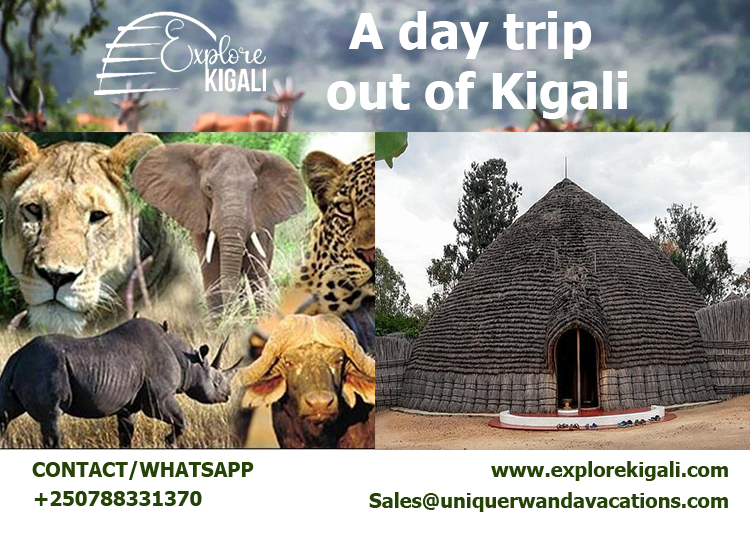
Our guide to the best day trips from Kigali includes destinations such as Akagera National Park, Volcanoes National Park, the King’s Palace Museum in Nyanza, the Ethnographic Museum in Huye and Lake Kivu.
Combining a Kigali history tour with other cultural and natural experiences can provide a more complete understanding of Rwanda.
Why Choose Explore Kigali?
Explore Kigali is committed to offering respectful, reliable and meaningful travel experiences.
Our team can assist with:
- Professional local guides
- Kigali city tours
- Private transportation and car hire
- Customised tour packages
- Hotel reservations
- Airport transfers
- Day trips from Kigali
- Travel planning and local advice
We understand that a visit to the Kigali Genocide Memorial requires sensitivity. Our guides prioritise respect, accurate context and the emotional well-being of every guest.
Book a Meaningful Kigali Experience
Visiting the Kigali Genocide Memorial is an opportunity to remember those who were lost, learn from Rwanda’s history and reflect on the importance of protecting peace.
Let Explore Kigali help you organise a respectful and well-planned visit while introducing you to the culture, history and resilience of Rwanda’s capital.
Telephone and WhatsApp: +250 788 331 370
Email: sales@uniquerwandavacations.com